VPN servers, or Virtual Private Networks servers, are essential components of VPN (Virtual Private Network) technology. They provide a secure and private connection to a public internet service, allowing users to access the internet without revealing their identity or credentials. Here's a breakdown of what a VPN server does and how it works:
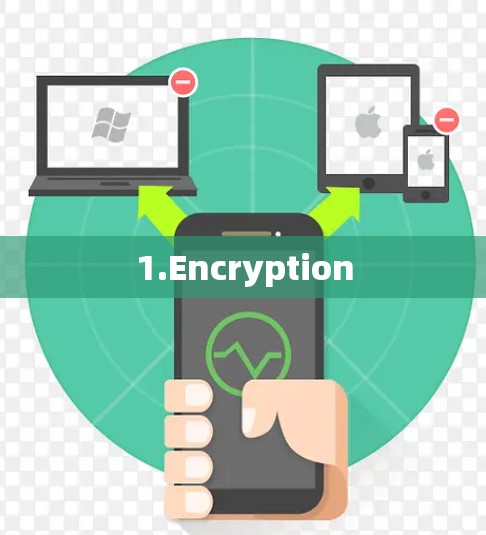
- VPN servers use advanced encryption techniques to protect data transmitted to your device. This ensures that even if your data is intercepted, it remains secure and cannot be read or decoded.
- Common encryption methods include AES (Advanced Encryption Standard) and RSA (Rivest-Shamir-Adleman).
Authentication
- To ensure that only authorized users can access the network, VPN servers use authentication methods. This typically involves the use of a password, which is a unique and strong secret that must be entered to access the server.
- Some VPNs also use token-based authentication, where each user is assigned a short-lived token that is used to verify their identity.
Secure Tunneling
- VPN servers establish a secure connection with your device by encrypting the data being transmitted. This secure connection is often referred to as a "tunnel."
- The tunnel is then passed through a series of security measures, such as firewalls and encryption, to ensure that it is not intercepted by third parties.
High Speeds
- VPN servers are designed to deliver high-speed internet to users. This is typically achieved by using advanced routers and servers that can handle large amounts of data simultaneously.
- The speed of the connection can vary depending on the location of the VPN server, but it is usually faster than traditional public internet.
Adaptability
- VPN servers are highly adaptable and can be configured to meet the needs of individual users or groups. This includes features such as multi-factor authentication, which requires both a password and a verification method (e.g., a password or a code sent to a phone number).
Key Features of VPN Servers
- Encryption: Protects data at rest and in transit.
- Authentication: Ensures that only authorized users can access the network.
- Secure Tunneling: Establishes a secure connection between the VPN server and the user's device.
- High Speeds: Offers fast internet speeds.
- Adaptability: Can be configured to meet the needs of individual users or groups.
Types of VPNs
- Dial-up: Uses older technology that requires a lot of manual intervention to achieve high speeds.
- Connectionless VPNs: Do not require a direct connection to the internet to access the service.
- Peer-to-Peer VPNs: Connects directly to other users, allowing for low-cost, high-speed access to VPNs.
How Users Access VPN Servers
- Users typically connect to a VPN server through a website or a mobile app that hosts the VPN server.
- They are prompted to enter a password or provide other authentication methods to access the server.
- Once the connection is established, they can start browsing the internet, and their data will be encrypted and transmitted securely to the server.
Benefits of Using VPNs
- Privacy: You can access the internet without revealing your identity.
- Anonymity: Your browsing history is encrypted, making it difficult to trace who you are.
- High Speeds: Enjoy faster internet speeds than traditional public internet.
- Security: Your data is protected from hackers and eavesdroppers.
The Future of VPNs
- The future of VPNs is likely to involve even more advanced features, such as:
- Real-time VPNs: Where you can connect to a VPN in real-time, without waiting for a separate connection.
- Global VPNs: That cover the entire world, allowing you to connect to a VPN anywhere.
- AI-Driven VPNs: That use artificial intelligence to improve security and provide better protection against cyber threats.
- Mobile VPNs: That are designed to be used on mobile devices, making them more accessible and convenient.
- Additionally, VPNs are likely to become more accessible and affordable, as more users adopt this technology.
In summary, VPN servers are a crucial component of VPN technology, enabling users to access the internet securely and efficiently while protecting their privacy. With the right tools and configurations, users can enjoy the benefits of VPNs and stay safe online.